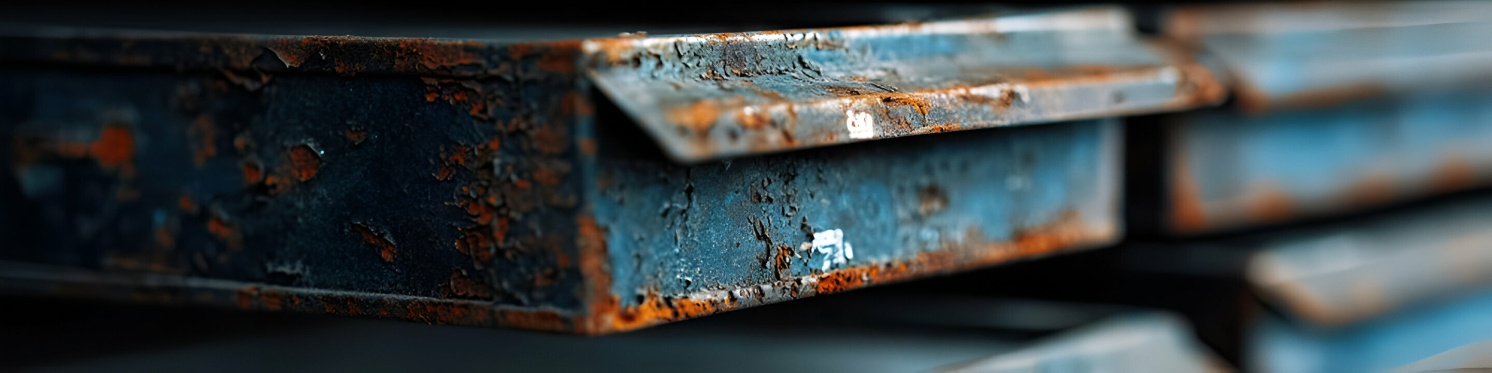
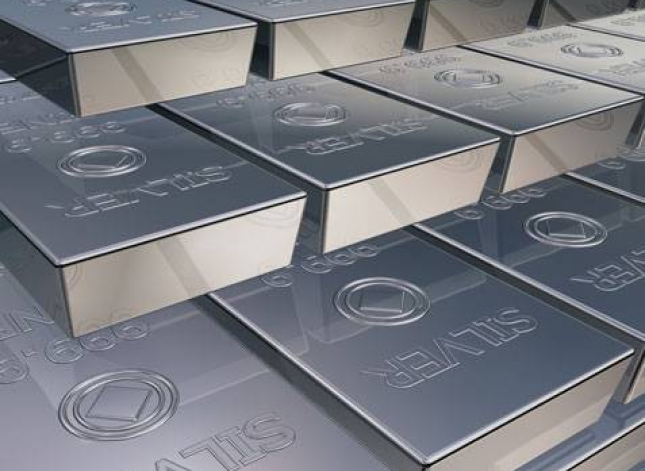
Nickel is a chemical element with symbol Ni and atomic number 28. It is a silvery-white lustrous metal with a slight golden tinge. Nickel belongs to the transition metals and is hard and ductile. Pure nickel, powdered to maximize the reactive surface area, shows a significant chemical activity, but larger pieces are slow to react with air under standard conditions because an oxide layer forms on the surface and prevents further corrosion (passivation). Majority of Nickel is used to make Stainless Steel, followed by plating and recently there has been multi fold increase in the usage for making batteries for Electric vehicle.
View more arrow_right_alt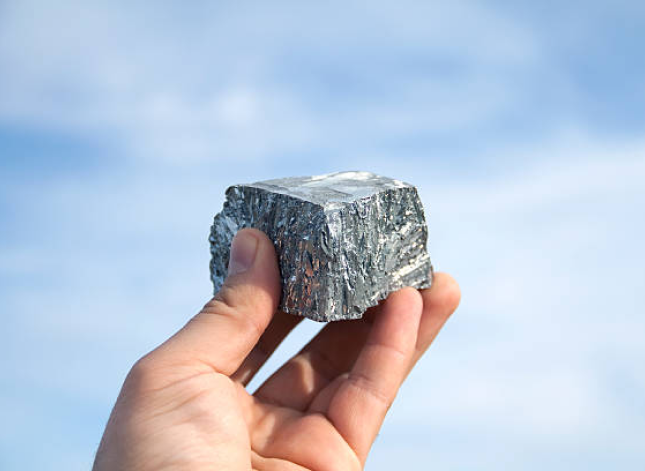
Nickel is a chemical element with symbol Ni and atomic number 28. It is a silvery-white lustrous metal with a slight golden tinge. Nickel belongs to the transition metals and is hard and ductile. Pure nickel, powdered to maximize the reactive surface area, shows a significant chemical activity, but larger pieces are slow to react with air under standard conditions because an oxide layer forms on the surface and prevents further corrosion (passivation). Majority of Nickel is used to make Stainless Steel, followed by plating and recently there has been multi fold increase in the usage for making batteries for Electric vehicle.
View more arrow_right_alt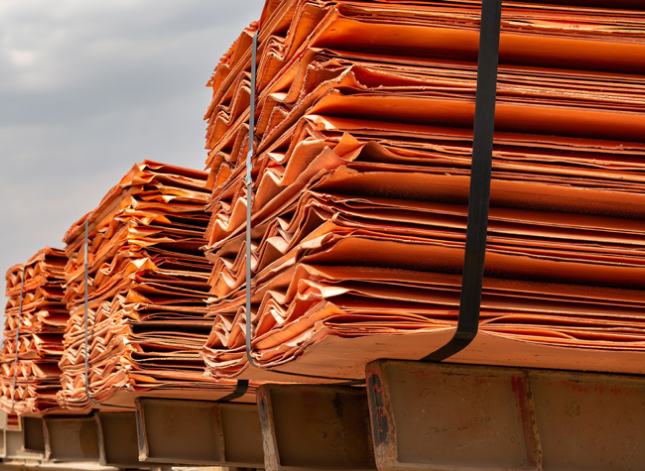
Nickel is a chemical element with symbol Ni and atomic number 28. It is a silvery-white lustrous metal with a slight golden tinge. Nickel belongs to the transition metals and is hard and ductile. Pure nickel, powdered to maximize the reactive surface area, shows a significant chemical activity, but larger pieces are slow to react with air under standard conditions because an oxide layer forms on the surface and prevents further corrosion (passivation). Majority of Nickel is used to make Stainless Steel, followed by plating and recently there has been multi fold increase in the usage for making batteries for Electric vehicle.
View more arrow_right_alt
Nickel is a chemical element with symbol Ni and atomic number 28. It is a silvery-white lustrous metal with a slight golden tinge. Nickel belongs to the transition metals and is hard and ductile. Pure nickel, powdered to maximize the reactive surface area, shows a significant chemical activity, but larger pieces are slow to react with air under standard conditions because an oxide layer forms on the surface and prevents further corrosion (passivation). Majority of Nickel is used to make Stainless Steel, followed by plating and recently there has been multi fold increase in the usage for making batteries for Electric vehicle.
View more arrow_right_alt
Nickel is a chemical element with symbol Ni and atomic number 28. It is a silvery-white lustrous metal with a slight golden tinge. Nickel belongs to the transition metals and is hard and ductile. Pure nickel, powdered to maximize the reactive surface area, shows a significant chemical activity, but larger pieces are slow to react with air under standard conditions because an oxide layer forms on the surface and prevents further corrosion (passivation). Majority of Nickel is used to make Stainless Steel, followed by plating and recently there has been multi fold increase in the usage for making batteries for Electric vehicle.
View more arrow_right_alt